Written by Megan Briede, Director of Programmes
Human Rights Month may have ended, but the values it celebrates, dignity, equality and freedom, must endure every day. These rights, enshrined in our Constitution, are meant to protect everyone. Yet for many children in South Africa, they remain out of reach.
Across the country, children face alarming levels of violence, neglect and exploitation. In the third quarter of the 2024/25 financial year alone, 273 children were murdered, 480 survived attempted murder, and more than 2,100 were victims of serious assault, according to the South African Police Service. On average, thirty‑three children are violently attacked each day, and at least three do not survive. These numbers are not abstract; they represent lives cut short and futures stolen. For too many, childhood is not a time of safety and learning, it is a time of survival.
We therefore must ask: are we doing enough to protect the rights of children, not just in March, but throughout the year?
Government priorities often emphasise economic growth and infrastructure. These matter, but child protection services remain largely invisible in national debates. National Treasury’s 2024 budget review shows that while South Africa spends heavily on debt service and fiscal consolidation, allocations for child protection remain minimal and fragmented across departments. This leaves frontline services overstretched and under‑resourced.
When budgets fail to prioritise children, the consequences ripple across generations. Underfunded child protection services mean fewer social workers, fewer safe spaces, and fewer opportunities for early intervention. The result is that abuse often goes undetected until it is too late, and cycles of trauma continue unbroken.
This invisibility has consequences. Child protection services are not optional social programmes. They are the frontline defence that ensures children can grow up safe, supported and able to thrive. When these systems are under‑resourced, social workers are overwhelmed, prevention programmes fail, and opportunities for early intervention are lost.
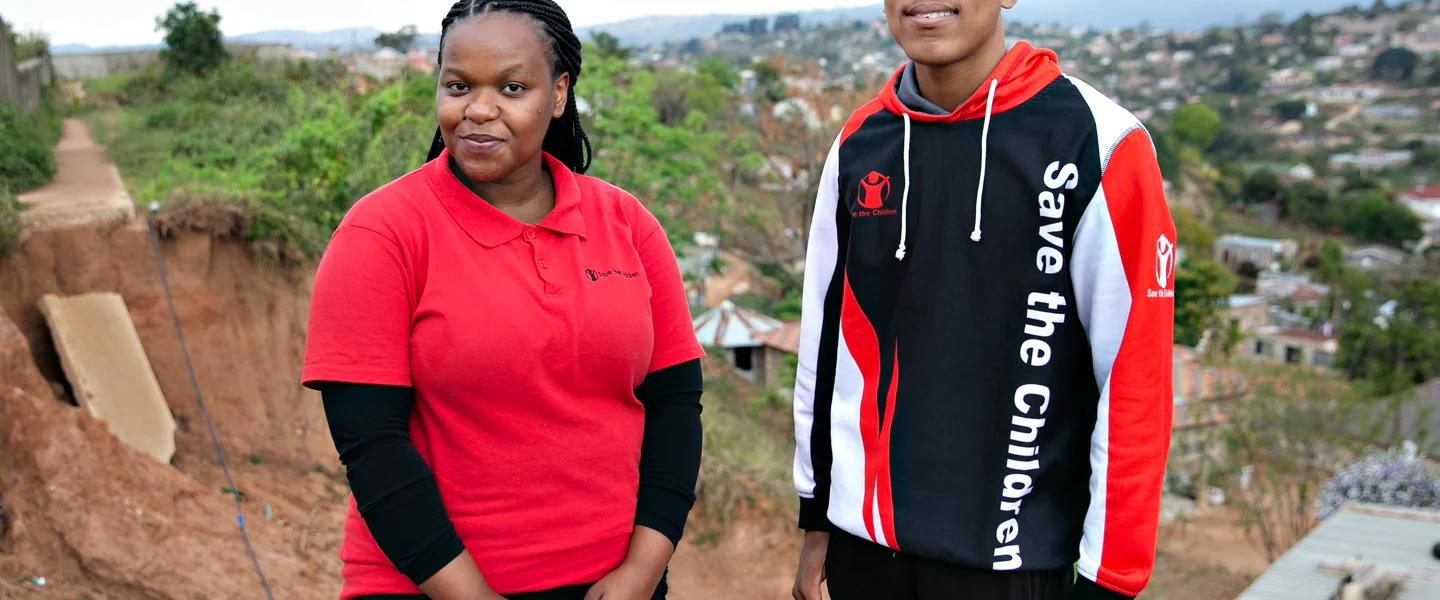
Save the Children South Africa (SCSA), with partners such as GSK, has implemented programmes that demonstrate the power of a different approach. Instead of viewing children only as victims, these initiatives recognise them as active partners in preventing violence and strengthening communities.
Through the Violence‑Free Childhood programme in Mpumalanga, civil society organisations, practitioners and community leaders were trained to identify and respond to risks. At the same time, children and adolescents were empowered with knowledge of their rights and the skills to speak out.
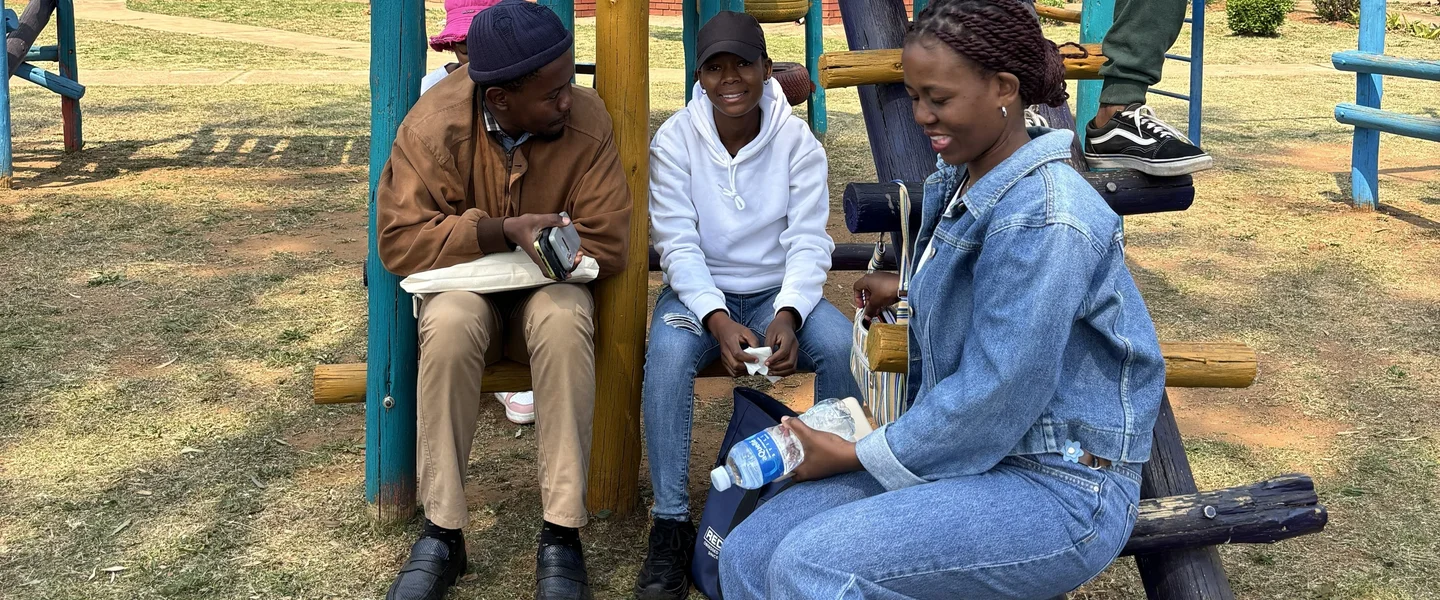
Young people trained as Violence Against Children champions now educate peers, identify risks and connect children to support services. This peer‑to‑peer model has proven to be a powerful multiplier, extending protection knowledge into schools and communities where adult practitioners often struggle to reach.
The results are clear: disclosures of abuse increase, trust between young people and service providers improves, and communities become more responsive. Most importantly, children begin to recognise that their voices matter.
Empowered children are less vulnerable to manipulation, more likely to seek help, and better equipped to challenge the silence that surrounds violence. Empowerment is not only a moral imperative, it is a practical, effective strategy for prevention.
South Africa has already shown that when children are given the tools to speak out, they become powerful agents of change. But empowerment cannot remain confined to pilot projects or isolated communities. It must become a national strategy, embedded in schools, clinics and community structures across the country.
But these programmes remain limited in reach. Thousands of communities still lack access to safe reporting channels and support systems. Expanding child‑led initiatives and investing in community‑based protection requires sustained commitment and resources.
Child protection is not only a moral imperative, it is directly linked to South Africa’s development goals. Children who grow up free from violence are more likely to succeed in school, contribute to the economy and break cycles of poverty. Neglecting child protection undermines education outcomes, productivity and long‑term growth.
A society that fails to protect its children pays the price in lost potential, weakened social cohesion and increased costs to the justice and health systems. Conversely, investing in child protection is one of the most cost‑effective ways to secure South Africa’s future prosperity.
Government must prioritise child protection in budgets and policies. The private sector must invest in community programmes. Civil society must continue to innovate. And communities themselves must break the silence around abuse.
SCSA has shown what works. The next step is to bring government, business and civil society together to scale these solutions nationally.
This is not a challenge that any one sector can solve alone. It requires a collective effort, government to provide resources and policy leadership, businesses to invest in sustainable programmes, civil society to innovate and advocate, and communities to protect and empower their children. Only by working together can we create a society where every child is safe.
Human Rights Month is a reminder of the society we aspire to build. But the true test of our values lies in what happens after the commemorations end.
Every child has the right to a childhood free from violence, neglect and exploitation. Protecting that right is not only the responsibility of government or civil society, it is a responsibility shared by all of us.
If we truly believe in the values of our Constitution, then our commitment to children’s rights must extend beyond Human Rights Month and shape the society we build every day.
*********************************************************************************************************************************
Megan Briede is Save the Children South Africa’s Director of Programmes, with more than 30 years of experience in child protection and development. A qualified social worker with Honours degrees in Social Work and Psychology, she has led major national programmes, including PEPFAR‑funded initiatives, and contributed to the development of South Africa’s Children’s Act. She is a passionate advocate for children’s rights, ensuring programmes deliver lasting impact for vulnerable children and communities.