Filters

Region
Theme
Year
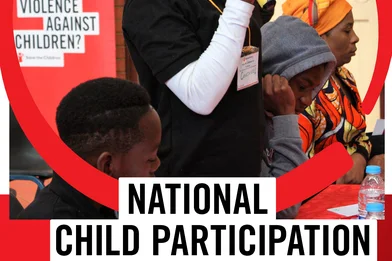
The National Child Participation Framework Child Friendly Version

The-National-Child-Participation-Framework-(Child-Friendly-Version))

Children have a right to actively participate in decisions, processes, programmes and policies that affects their lives. Being able to
participate further helps children to also realise other rights such as access to health care. This participation of children depends
on the state and all organisations working with children and families to protect, respect and promote the rights of all children.
This obligation is also stated in the United Nations Convention on the Rights of the…
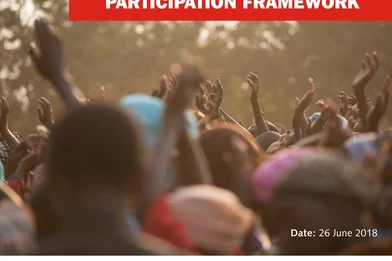
The National Child Participation Framework

The-National-Child-Participation-Framework

Children have a right to actively participate in decisions, processes, programmes and policies that affects their lives. Being able to
participate further helps children to also realise other rights such as access to health care. This participation of children depends
on the state and all organisations working with children and families to protect, respect and promote the rights of all children.
This obligation is also stated in the United Nations Convention on the Rights of the…
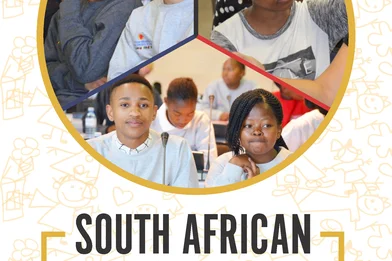
National Children's Manifesto

National Children's Manifesto

The National Children's Manifesto urges government and several stakeholders, to translate the children’s rights enshrined in the Constitution of the Republic South Africa into a living reality. The manifesto , which was written by children, touches on several issues including child protection, education and health.

Child Safeguarding Policy (South Africa)

Child Safeguarding Policy (South Africa)

The aim of the Child Safeguarding Policy is to engender an organisational environment in which all members of staff and representatives are committed to the safeguarding of children and their rights.

Global Strategy - Ambition for Children 2030

Global Strategy - Ambition for Children 2030

Building a better world for and with children

End of Childhood Report 2018

End of Childhood Report 2018

Poverty, conflict and discrimination against girls are putting more than 1.2 billion children – over half of children worldwide – at risk for an early end to their childhood. Many of these at-risk children live in countries facing two or three of these grave threats at the same time. In fact, 153 million children are at extreme risk of missing out on childhood because they live in countries characterized by all three threats.

Unfinished Business - A Call to Action - Children's Rights in South Africa (Oct 2016)

Unfinished Business - A Call to Action - Children's Rights in South Africa (Oct 2016)

It is possible to break the cycle of poverty and inequality by making sure that all children, particularly the most marginalised, access quality services that provide a pathway out of poverty towards social equality and prosperity.

Stolen Childhoods

Stolen Childhoods (June 2017)

For at least 700 million children worldwide – and perhaps hundreds of millions more – childhood has ended too soon. The major reasons included poor health, conflict, extreme violence, child marriage, early pregnancy, malnutrition, exclusion from education and child labor.

Filters

Region
Theme
Year
The National Child Participation Framework Child Friendly Version

The-National-Child-Participation-Framework-(Child-Friendly-Version))

Children have a right to actively participate in decisions, processes, programmes and policies that affects their lives. Being able to
participate further helps children to also realise other rights such as access to health care. This participation of children depends
on the state and all organisations working with children and families to protect, respect and promote the rights of all children.
This obligation is also stated in the United Nations Convention on the Rights of the…

The National Child Participation Framework

The-National-Child-Participation-Framework

Children have a right to actively participate in decisions, processes, programmes and policies that affects their lives. Being able to
participate further helps children to also realise other rights such as access to health care. This participation of children depends
on the state and all organisations working with children and families to protect, respect and promote the rights of all children.
This obligation is also stated in the United Nations Convention on the Rights of the…

National Children's Manifesto

National Children's Manifesto

The National Children's Manifesto urges government and several stakeholders, to translate the children’s rights enshrined in the Constitution of the Republic South Africa into a living reality. The manifesto , which was written by children, touches on several issues including child protection, education and health.

Child Safeguarding Policy (South Africa)

Child Safeguarding Policy (South Africa)

The aim of the Child Safeguarding Policy is to engender an organisational environment in which all members of staff and representatives are committed to the safeguarding of children and their rights.

Global Strategy - Ambition for Children 2030

Global Strategy - Ambition for Children 2030

Building a better world for and with children

End of Childhood Report 2018

End of Childhood Report 2018

Poverty, conflict and discrimination against girls are putting more than 1.2 billion children – over half of children worldwide – at risk for an early end to their childhood. Many of these at-risk children live in countries facing two or three of these grave threats at the same time. In fact, 153 million children are at extreme risk of missing out on childhood because they live in countries characterized by all three threats.

Unfinished Business - A Call to Action - Children's Rights in South Africa (Oct 2016)

Unfinished Business - A Call to Action - Children's Rights in South Africa (Oct 2016)

It is possible to break the cycle of poverty and inequality by making sure that all children, particularly the most marginalised, access quality services that provide a pathway out of poverty towards social equality and prosperity.

Stolen Childhoods

Stolen Childhoods (June 2017)

For at least 700 million children worldwide – and perhaps hundreds of millions more – childhood has ended too soon. The major reasons included poor health, conflict, extreme violence, child marriage, early pregnancy, malnutrition, exclusion from education and child labor.

Filters

Region
Theme
Year
The National Child Participation Framework Child Friendly Version

The-National-Child-Participation-Framework-(Child-Friendly-Version))

Children have a right to actively participate in decisions, processes, programmes and policies that affects their lives. Being able to
participate further helps children to also realise other rights such as access to health care. This participation of children depends
on the state and all organisations working with children and families to protect, respect and promote the rights of all children.
This obligation is also stated in the United Nations Convention on the Rights of the…

The National Child Participation Framework

The-National-Child-Participation-Framework

Children have a right to actively participate in decisions, processes, programmes and policies that affects their lives. Being able to
participate further helps children to also realise other rights such as access to health care. This participation of children depends
on the state and all organisations working with children and families to protect, respect and promote the rights of all children.
This obligation is also stated in the United Nations Convention on the Rights of the…

National Children's Manifesto

National Children's Manifesto

The National Children's Manifesto urges government and several stakeholders, to translate the children’s rights enshrined in the Constitution of the Republic South Africa into a living reality. The manifesto , which was written by children, touches on several issues including child protection, education and health.

Child Safeguarding Policy (South Africa)

Child Safeguarding Policy (South Africa)

The aim of the Child Safeguarding Policy is to engender an organisational environment in which all members of staff and representatives are committed to the safeguarding of children and their rights.

Global Strategy - Ambition for Children 2030

Global Strategy - Ambition for Children 2030

Building a better world for and with children

End of Childhood Report 2018

End of Childhood Report 2018

Poverty, conflict and discrimination against girls are putting more than 1.2 billion children – over half of children worldwide – at risk for an early end to their childhood. Many of these at-risk children live in countries facing two or three of these grave threats at the same time. In fact, 153 million children are at extreme risk of missing out on childhood because they live in countries characterized by all three threats.

Unfinished Business - A Call to Action - Children's Rights in South Africa (Oct 2016)

Unfinished Business - A Call to Action - Children's Rights in South Africa (Oct 2016)

It is possible to break the cycle of poverty and inequality by making sure that all children, particularly the most marginalised, access quality services that provide a pathway out of poverty towards social equality and prosperity.

Stolen Childhoods

Stolen Childhoods (June 2017)

For at least 700 million children worldwide – and perhaps hundreds of millions more – childhood has ended too soon. The major reasons included poor health, conflict, extreme violence, child marriage, early pregnancy, malnutrition, exclusion from education and child labor.